The investigation, study, identification, taxonomic grouping, and nomenclature of fungi were previously done based merely on eye-witnessed morphological and microscopic characters. These included megascopic and minor characters such as the structure of the fruit body, nature of hymenium, color, shape, and size of spores, habit and habitat, exudates produced, changes in color (by bruising and chemical reactions), phyto-geographical distribution, taste and odor, ethnomycological approach, and microscopic characters.
In the present century, new approaches in research and investigation resulted in drastic, inevitable changes. These advancements were the result of chemical reagent reactions and instrumental consequences. Numerous changes in taxa occurred—including the formation of new orders and families, and the nomenclature of species—which resulted in placing species into new concerned groups. The changes in the parameter of investigating procedures, including physical, morphological, microscopic, and global distribution, have led to more reliable results of phylogenetic and molecular analysis involving rDNA and ITS sequencing.
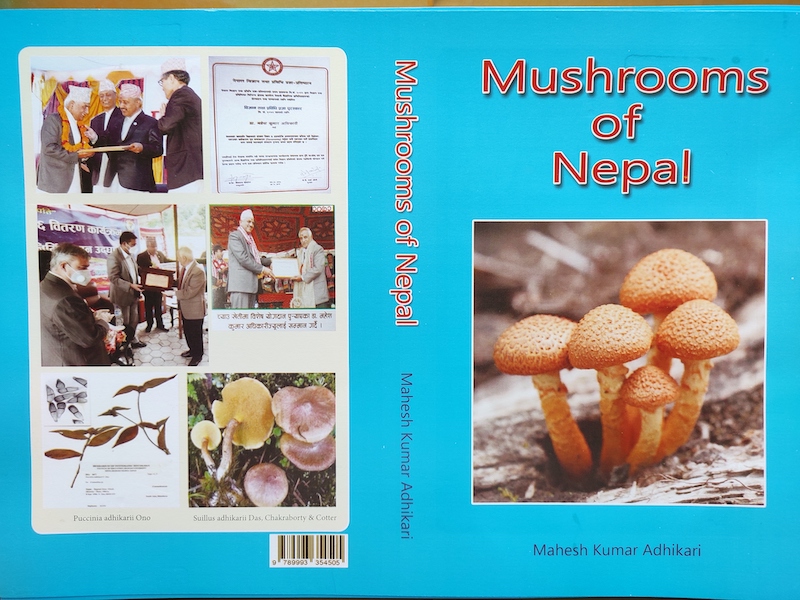
This is the third edition (reprint) (First publication - 2000; Second edition - 2014), incorporating many changes in taxonomic treatments of the taxa concerned, placing of the orders and families, and their nomenclature based on publications of different authors, Mycobank, GBIF, and Index fungorum. The chapters are arranged in the same manner as in previous publications:
- Chapter I - Introduction
- Chapter II - Geographic profile
- Chapter III - History of investigation
- Chapter IV - Ascomycota taxon
- Chapter V - Basidiomycota taxon
- Chapter VI - The Clavarioid genera
- Chapter VII - The genus Amanita
- Chapter VIII - Russulales: The genus Lactarius
- Chapter IX - Russulales: The genus Russula
- Chapter X - The Gastroid genera
- Chapter XI - Ethnomycology
- Chapter XII - References
- Chapter XIII - Addenda, Photographs, Index
There are some additions of newly recorded species, which opens a new horizon for further investigation. This Himalayan country, "the central zone of biodiversity," still needs more investigation. A total of 1,207 taxa are included, alongside 346 photographs of researchers and mushrooms incorporated within the book.